
A strong and dependable roof is one of the most valuable investments for any property owner. Whether managing a retail center, office complex, warehouse, or residential structure, the roof serves as the first line of defense against weather, temperature changes, and environmental stress. When a roofing system is properly designed and installed, it protects the building’s structure, enhances energy efficiency, and reduces maintenance costs. Modern metal roofing flowood ms technologies now provide durable and visually appealing options that meet the evolving needs of property owners and businesses alike.
In regions where weather conditions can shift quickly, choosing the right roofing material becomes even more important. Heavy rainfall, strong sunlight, humidity, and occasional storms can all affect roof performance. A well-built roofing system ensures durability while maintaining the comfort and safety of occupants. Understanding available options and selecting the right contractor helps ensure long-term value and performance.
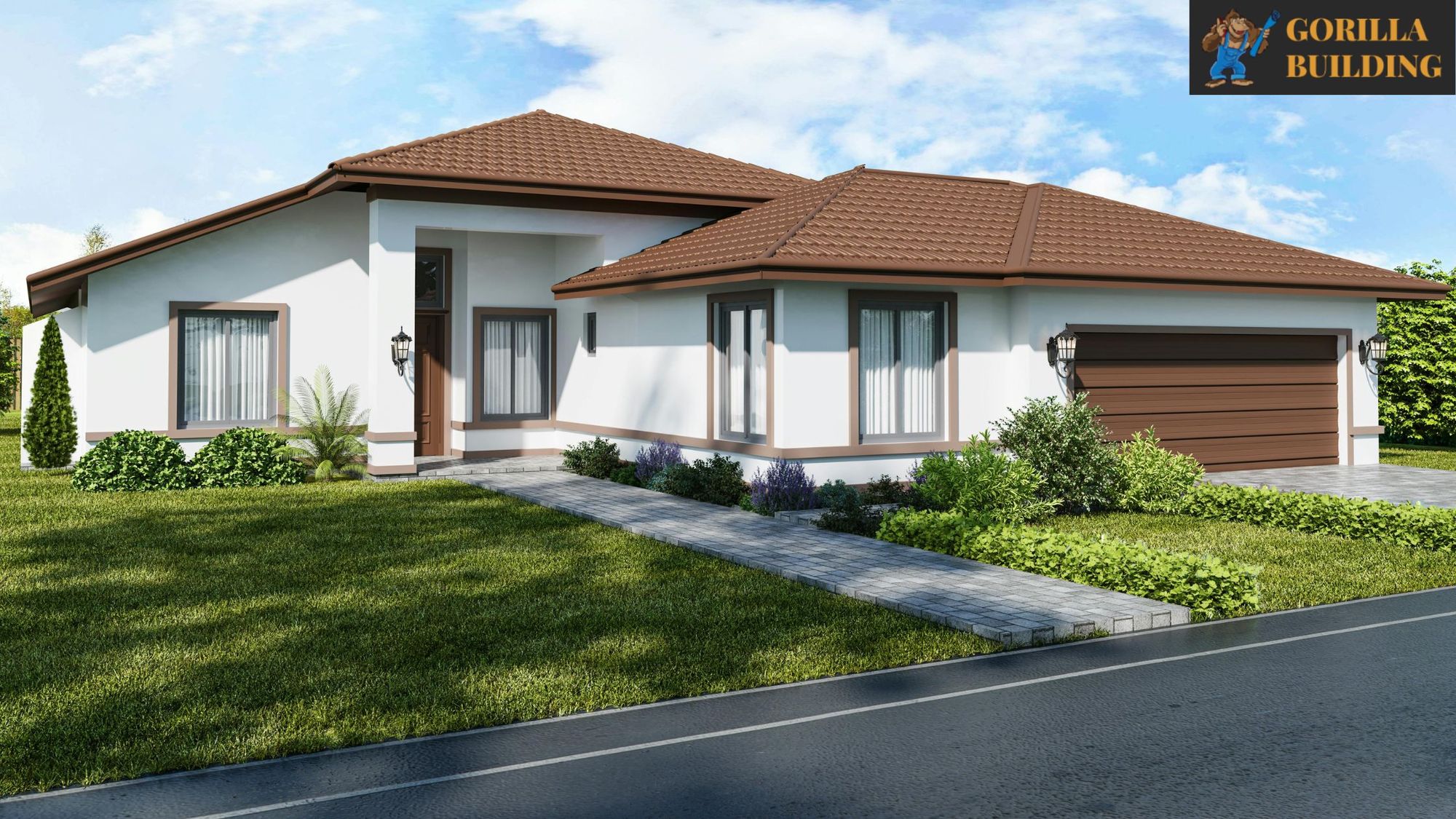
The Importance of High-Quality Roofing Systems
Roofing systems do more than cover a building. They play a critical role in insulation, drainage, and structural protection. Poorly installed roofs often lead to leaks, mold growth, insulation damage, and rising energy costs. These issues can disrupt business operations and require costly repairs. Investing in quality materials and professional installation reduces the risk of unexpected damage.
Businesses especially depend on reliable roofing systems because downtime can affect productivity and revenue. A leaking roof in a commercial space may damage inventory, equipment, or interior finishes. Property owners who prioritize quality roofing solutions benefit from reduced repair expenses and improved building efficiency.
Advantages of Metal Roofing for Modern Properties
Metal roofing has gained popularity because of its exceptional durability and performance. It is designed to withstand harsh weather conditions, including heavy rain and strong winds. Unlike traditional materials, metal panels resist cracking, shrinking, and warping. This makes them ideal for long-term use.
Energy efficiency is another major advantage. Metal roofing reflects sunlight, which reduces heat absorption and helps maintain comfortable indoor temperatures. This lowers cooling costs, particularly in large commercial buildings. Additionally, metal roofing materials are often recyclable, making them environmentally friendly.
Property owners researching metal roofing flowood ms frequently choose this option due to its long lifespan and modern appearance. Available in various colors and finishes, metal roofing enhances curb appeal while delivering reliable protection. Its lightweight structure also reduces stress on the building’s framework.
Understanding Commercial Roofing Needs
Commercial buildings require specialized roofing systems designed for larger surfaces and unique structural requirements. Flat and low-slope roofs are common in commercial construction, and they demand materials that provide strong waterproofing and durability. Popular options include TPO, EPDM, and PVC membranes, each offering unique advantages.
These systems are designed to resist moisture infiltration and withstand foot traffic from maintenance activities. Proper drainage is also essential for commercial roofs to prevent water pooling. A professionally installed system ensures effective performance and minimizes maintenance needs.
Businesses exploring Commercial roofing Jackson ms often focus on durability, energy savings, and minimal operational disruption during installation. Modern commercial roofing solutions address these needs while providing long-term reliability.
Factors to Consider Before Choosing a Roofing System
Selecting the right roofing material requires careful planning. Climate conditions should always be considered first. Areas with high rainfall benefit from materials with superior waterproofing, while sunny regions require reflective surfaces for energy efficiency. Understanding local weather patterns helps determine the most suitable option.
Budget is another important factor. While some roofing materials may have higher upfront costs, they often provide better long-term savings through reduced maintenance and energy efficiency. Evaluating total lifecycle costs ensures better financial planning.
Building design also plays a role in roofing selection. The size, slope, and structural capacity of the building influence which material will perform best. Professional assessments help property owners choose the most effective solution for their specific needs.
Energy Efficiency and Environmental Benefits
Modern roofing systems contribute significantly to energy savings. Reflective coatings and insulated panels reduce heat transfer, keeping indoor spaces cooler during hot months. This decreases the load on HVAC systems, lowering energy consumption and operational costs.
Energy-efficient roofing also improves indoor comfort. Employees, customers, and residents benefit from consistent temperatures. Businesses that invest in energy-efficient roofing often experience improved productivity and reduced utility expenses.
Additionally, sustainable roofing options support environmental responsibility. Recyclable materials and long-lasting systems reduce waste and contribute to eco-friendly building practices. These features make modern roofing solutions both practical and environmentally conscious.
Durability and Long-Term Performance
Durability is one of the most important considerations when selecting a roofing system. Metal roofs can last several decades with minimal maintenance, while commercial membrane systems also offer extended lifespan when installed correctly. These materials are engineered to resist weather damage and structural stress.
Preventative maintenance further enhances longevity. Routine inspections help identify minor issues before they escalate into major problems. Addressing small repairs early protects the roof and reduces long-term costs.
A durable roofing system not only protects the building but also provides peace of mind. Property owners can focus on daily operations without worrying about unexpected roofing failures.
Enhancing Property Appearance and Value
Roofing significantly impacts a building’s overall appearance. Modern materials are available in various colors and textures, allowing customization to match architectural style. A visually appealing roof enhances curb appeal and creates a professional impression.
Improved aesthetics also increase property value. Buyers and tenants are more likely to choose buildings with durable and attractive roofing systems. This makes roofing upgrades a worthwhile investment for both residential and commercial properties.
Maintenance Practices for Optimal Performance
Regular maintenance is essential to keep a roofing system functioning effectively. Clearing debris, checking drainage systems, and inspecting seams help prevent water buildup and leaks. Seasonal inspections ensure the roof remains in good condition.
Professional inspections are recommended annually or after severe weather events. Experts can identify hidden issues and recommend timely repairs. Consistent maintenance preserves warranties and extends roof lifespan.
Property owners who follow maintenance schedules often experience fewer repairs and lower overall costs. Preventative care ensures long-term performance and reliability.
Choosing the Right Roofing Professionals
The quality of installation plays a major role in roof performance. Experienced contractors understand proper techniques and use high-quality materials. Poor installation can lead to premature failure, even with durable materials.
When selecting a contractor, consider experience, certifications, and customer feedback. Reliable professionals provide detailed evaluations and transparent pricing. They also recommend solutions tailored to building requirements.
Many property owners rely on Gorilla Building for dependable roofing services that focus on durability, efficiency, and customer satisfaction. Working with experienced professionals ensures projects are completed on time and meet high standards.
Future Trends in Roofing Technology
Roofing technology continues to evolve, offering advanced solutions for modern buildings. Cool roofing systems are designed to reflect sunlight and reduce energy consumption. Solar-ready roofs allow easy integration of renewable energy systems.
Green roofing options are also gaining popularity. These systems provide insulation and support sustainable building practices. Advanced coatings and improved materials enhance weather resistance and durability.
Staying informed about these trends helps property owners make smart decisions and benefit from innovative roofing solutions.
Conclusion
A reliable roofing system is essential for protecting property, improving energy efficiency, and enhancing overall value. Metal and commercial roofing options provide long-lasting performance, aesthetic appeal, and cost savings. By selecting quality materials and working with experienced professionals, property owners can ensure dependable protection for years to come.
Investing in modern roofing solutions reduces maintenance needs, improves comfort, and safeguards business operations. With proper planning and regular maintenance, a well-installed roof delivers unmatched durability and long-term benefits.
Frequently Asked Questions
How long does a metal roof last?
Metal roofs typically last between 40 and 70 years, depending on maintenance and environmental conditions.
What is the best roofing option for commercial buildings?
TPO, EPDM, PVC, and metal roofing systems are commonly used due to durability and energy efficiency.
Are metal roofs energy efficient?
Yes, metal roofing reflects sunlight and reduces heat absorption, lowering cooling costs.
How often should a roof be inspected?
Roofs should be inspected at least once a year and after major storms.
Is metal roofing environmentally friendly?
Many metal roofing materials are recyclable and contribute to sustainable construction practices.
Can commercial roofs support heavy equipment?
Yes, properly installed commercial roofing systems are designed to handle HVAC units and maintenance traffic.
What maintenance does a commercial roof require?
Regular inspections, cleaning debris, and checking drainage systems are recommended.
How long does roof installation take?
Installation time varies depending on building size and material, typically ranging from several days to a few weeks.
Does roofing improve property value?
Yes, durable and attractive roofing increases curb appeal and overall property value.
When should a roof be replaced?
Replacement is recommended when the roof shows significant damage, frequent leaks, or has reached the end of its lifespan.