
Modern construction is evolving rapidly, with property owners and developers seeking solutions that combine efficiency, durability, and minimal disruption. Whether it’s installing underground utilities or building strong foundations, the success of any project depends on the right techniques and experienced professionals. Today’s infrastructure demands precision, thoughtful planning, and long-term performance, making it essential to choose services that prioritise quality at every stage.
From residential developments to commercial expansions, construction projects often involve multiple components working together. Underground utility installation, structural concrete work, and site preparation must align perfectly to ensure seamless execution. When these elements are handled correctly, the result is a durable structure that performs reliably for years to come.
The Shift Toward Efficient Construction Methods
Traditional construction approaches often required extensive excavation, leading to disruption, delays, and higher costs. Roads were closed, landscapes were disturbed, and projects took longer than expected. Modern methods, however, emphasise precision and efficiency, reducing the need for large-scale digging and improving timelines.
Innovative techniques now allow utilities to be installed underground without disturbing the surface. This approach not only protects existing infrastructure but also helps maintain surrounding landscapes. Additionally, high-quality concrete construction ensures that foundations, walkways, and structural elements remain strong and stable over time.
These advancements are shaping how developers approach projects, focusing on sustainability, cost-effectiveness, and long-term durability.
Why Underground Utility Installation Matters
Underground utilities are essential for powering homes, businesses, and public facilities. Electrical lines, water systems, communication cables, and gas pipelines must be installed accurately to avoid future issues. Poor installation can lead to costly repairs, safety hazards, and service interruptions.
Experienced directional boring contractors use advanced equipment to install utilities beneath obstacles such as roads, driveways, and buildings. This method reduces surface disruption and allows projects to move forward without affecting daily operations. It is particularly beneficial in urban areas where minimising disturbance is critical.
This technique offers several advantages:
- Minimal impact on landscaping and structures
- Faster project completion
- Reduced restoration costs
- Improved safety and accuracy
- Enhanced long-term performance
These benefits make underground installation a preferred solution for modern infrastructure development.
The Importance of Durable Concrete Construction
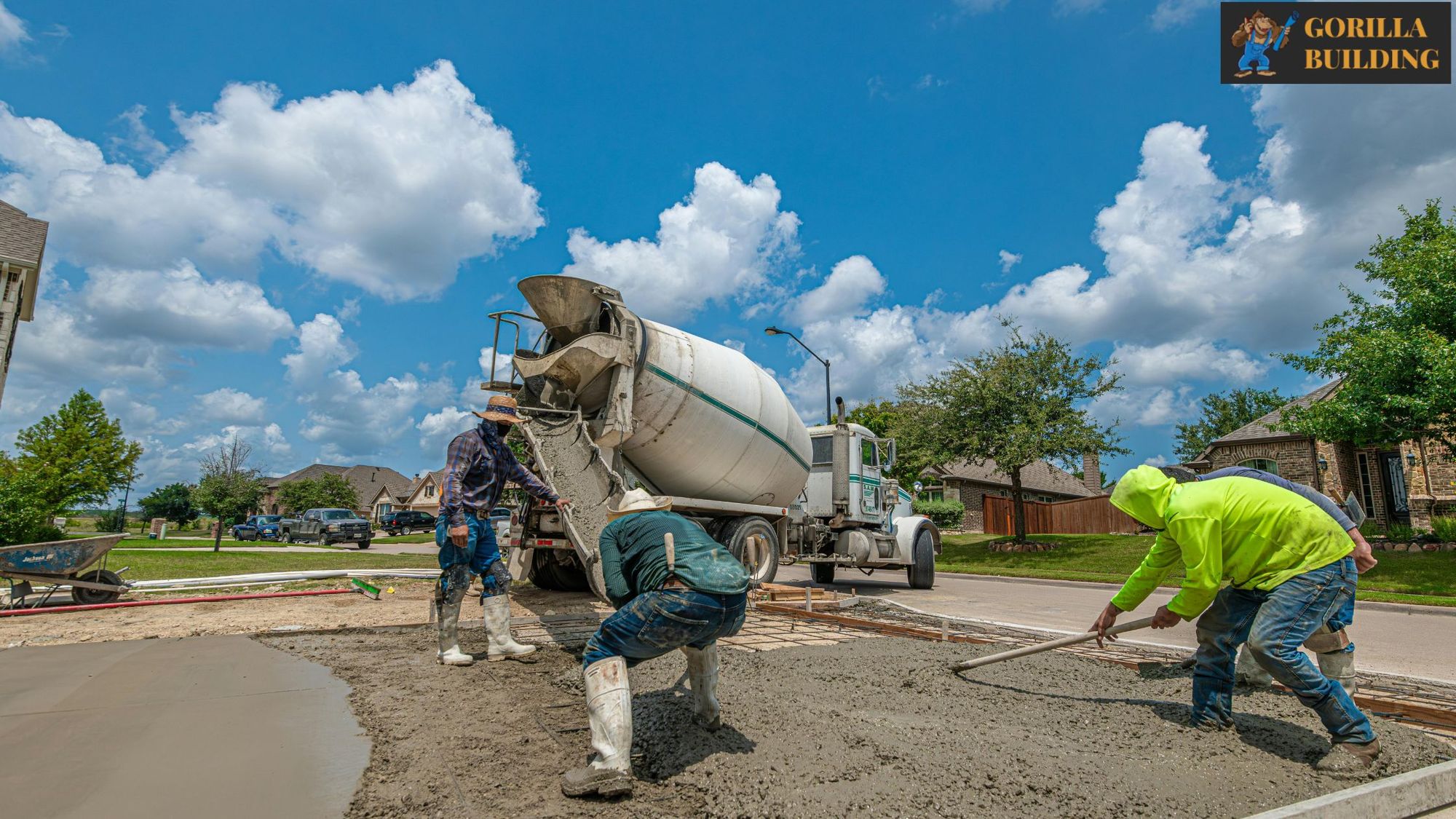
Concrete plays a vital role in almost every construction project. From foundations and sidewalks to parking lots and structural supports, concrete provides the strength needed to support long-term use. However, achieving durable results requires proper planning, quality materials, and skilled workmanship.
Professional concrete contractors understand the importance of preparation, mixing, placement, and curing. Each step must be handled carefully to prevent cracks, uneven surfaces, and structural weaknesses. When concrete is installed correctly, it enhances both functionality and appearance.
Common concrete projects include:
- Building foundations
- Driveways and walkways
- Commercial slabs
- Retaining walls
- Parking areas
- Structural supports
Well-executed concrete work ensures stability and reduces maintenance costs over time.
Combining Underground Installation with Concrete Work
Many construction projects require both underground utility installation and concrete construction. For example, installing utilities beneath a parking lot requires precision boring followed by high-quality concrete restoration. When these services are coordinated effectively, projects are completed more efficiently.
Proper planning ensures utilities are installed before concrete is poured. This prevents delays and avoids costly rework. Additionally, coordinating both services improves overall structural integrity and reduces downtime.
The integration of these services provides the following:
- Improved project efficiency
- Reduced labor and material costs
- Consistent quality throughout construction
- Long-lasting infrastructure
- Better overall project management
This comprehensive approach is essential for modern construction projects that demand durability and efficiency.
Planning for Long-Term Success
Every successful construction project begins with thorough planning. Site evaluations, soil testing, and layout design help determine the best approach before work begins. These steps identify potential challenges and ensure that utilities and structural elements are placed correctly.
Planning also helps coordinate timelines between underground installation and concrete work. When teams collaborate effectively, projects move forward smoothly and avoid unnecessary delays. Strategic planning ultimately saves time and money while improving overall results.
Benefits of Hiring Experienced Professionals
Working with experienced construction professionals offers numerous advantages. Skilled teams bring knowledge, advanced equipment, and attention to detail that contribute to project success. They understand how to handle challenges and deliver solutions that meet both functional and aesthetic requirements.
Key benefits include:
- Strong and durable construction
- Reduced risk of errors
- Faster project completion
- Improved safety standards
- Long-term cost savings
- Enhanced property value
Investing in professional services ensures that projects meet high-quality standards and perform reliably.
Sustainability in Modern Construction
Sustainability has become a major focus in today’s construction industry. Efficient underground installation methods reduce environmental impact by minimizing excavation and preserving landscapes. Similarly, durable concrete construction reduces the need for frequent repairs, conserving resources over time.
Sustainable practices include:
- Reducing soil disturbance
- Using long-lasting materials
- Minimizing waste
- Protecting surrounding environments
- Optimizing energy and resources
These practices not only benefit the environment but also lower overall project costs.
Enhancing Property Value Through Quality Construction
Strong infrastructure plays a significant role in increasing property value. Reliable utilities and durable concrete structures improve functionality and safety. Buyers and tenants are more likely to choose properties with well-built infrastructure that requires minimal maintenance.
High-quality construction also improves aesthetics. Smooth walkways, solid foundations, and properly installed utilities contribute to a professional appearance. Over time, these improvements lead to better returns on investment.
Choosing the Right Construction Partner
Selecting a dependable construction partner is essential for achieving long-lasting results. Experience, reliability, and attention to detail should guide your decision. A professional team focuses on quality materials, advanced techniques, and customer satisfaction.
Gorilla Building emphasizes precision and durability in every project. By combining modern underground installation methods with strong concrete construction, projects are completed efficiently while maintaining long-term performance. Their commitment to quality ensures that infrastructure remains reliable for years to come.
Future Trends in Infrastructure Development
The construction industry continues to evolve with new technologies and techniques. Automation, advanced drilling equipment, and improved concrete mixtures are making projects more efficient and accurate. These innovations help reduce costs and improve overall performance.
Emerging trends include:
- Smart utility mapping systems
- High-performance concrete materials
- Eco-friendly construction solutions
- Advanced project management tools
- Faster installation techniques
These developments are shaping the future of construction, making infrastructure more durable and sustainable.
Conclusion
Modern construction requires a balance of innovation, expertise, and careful planning. From underground utility installation to durable concrete work, every component plays a crucial role in building reliable infrastructure. By choosing experienced professionals and focusing on quality materials, property owners can ensure long-lasting results.
Investing in advanced techniques and skilled workmanship reduces maintenance costs, improves safety, and enhances property value. With the right approach, construction projects can achieve efficiency, durability, and long-term success.
Frequently Asked Questions
1. What is directional boring in construction?
Directional boring is a trenchless method used to install underground utilities without extensive excavation. It helps minimise surface disruption and improves installation accuracy.
2. Why is professional concrete installation important?
Professional installation ensures proper preparation, mixing, and curing. This results in durable surfaces that resist cracking and structural damage.
3. How long does concrete typically last?
With proper installation and maintenance, concrete structures can last several decades, depending on usage and environmental conditions.
4. Can underground installation affect existing structures?
When performed correctly, underground installation techniques are designed to avoid damage to surrounding structures and landscapes.
5. What factors influence construction costs?
Costs depend on project size, materials, site conditions, labour requirements, and equipment used.
6. How can I ensure my project stays on schedule?
Proper planning, clear communication, and working with experienced professionals help keep construction projects on track.